



The Environmental Benefits of Using Steel Reinforcement in Concrete
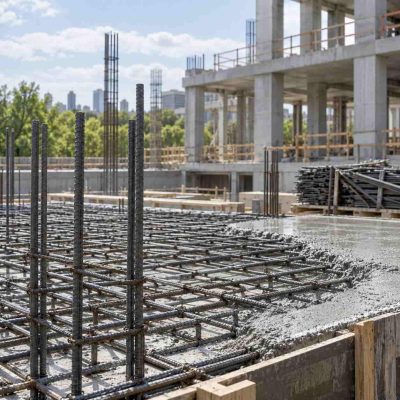 Concrete is one of the most widely used construction materials worldwide. It supports buildings, bridges, roads, tunnels, drainage systems, and other essential infrastructure. However, concrete performs much better under compression than under tension. When structures bend, stretch, or experience heavy loads, unreinforced concrete can crack or fail.
Extending the Lifespan of Concrete Structures
One of the most important environmental benefits of steel reinforcement is its ability to extend the service life of concrete structures. Reinforced concrete can withstand heavier loads, movement, vibration, and changing environmental conditions. Properly designed steel reinforcement helps control cracking and reduces the risk of premature structural failure. This allows buildings and infrastructure to remain functional for decades.
Longer-lasting structures generally require fewer replacements. Replacing a damaged building, bridge, or concrete slab involves producing new materials, transporting them to the site, operating construction equipment, and managing demolition waste. By delaying or avoiding replacement, reinforced concrete can reduce the environmental impact associated with repeated construction. Durability is especially valuable for large infrastructure projects, where reconstruction can consume substantial amounts of raw materials and energy.
Supporting the Use of Recycled Materials
Steel is highly recyclable. Steel can be manufactured from scrap recovered from old vehicles, appliances, buildings, industrial equipment, and demolished infrastructure.
Many steelmaking facilities use electric arc furnaces to melt scrap steel and turn it into new products, including reinforcement bars. This process keeps existing materials in circulation instead of discarding them. The recycled steel can also be recycled again at the end of a structure’s useful life without losing its essential mechanical properties.
Using recycled steel reduces demand for newly mined iron ore and can limit some of the environmental disruption caused by extracting and processing virgin raw materials. It also helps divert metal waste from landfills.
The amount of recycled content and the emissions produced during manufacturing vary among suppliers. For this reason, contractors and developers can improve environmental performance by selecting reinforcement from manufacturers that disclose their recycled content, energy sources, and production emissions.
Improving Material Efficiency
Steel reinforcement lets engineers design concrete components that carry greater loads without relying on larger volumes of concrete. In some applications, a well-designed reinforced concrete element can be thinner or more efficient than an unreinforced alternative. Engineers can design columns, beams, slabs, and walls to provide the required strength while using materials more strategically.
This does not mean that adding steel automatically reduces the amount of concrete in every project. Structural requirements, safety standards, exposure conditions, and building codes still determine the necessary dimensions. Nevertheless, reinforcement gives engineers greater flexibility to optimize material use.
Reducing Repair and Maintenance Requirements
Cracks in concrete can allow water, salts, chemicals, and other damaging substances to enter a structure. Over time, this can contribute to deterioration and create a need for frequent repairs.
Properly placed reinforcement helps manage cracking and distribute stresses across the concrete. When combined with suitable concrete cover, careful mixing, correct installation, and effective drainage, steel reinforcement can help a structure perform reliably for longer.
Fewer major repairs can mean lower consumption of cement, aggregates, coatings, replacement steel, and other construction products. It may also reduce the fuel used by repair vehicles and heavy machinery.
The environmental benefit depends on controlling corrosion properly. If poor design or artistry exposes reinforcement to moisture and chlorides, corrosion can cause the surrounding concrete to crack or spall. Durable construction therefore requires appropriate reinforcement selection, adequate concrete cover, quality installation, and maintenance suited to local conditions.
Enabling Adaptable and Resilient Structures
A structure that can withstand demanding conditions is less likely to require complete demolition after damage or changes in use. Steel-reinforced concrete can be designed to resist wind, earthquakes, impact, fire, and heavy operational loads.
This resilience can provide environmental value in areas exposed to natural hazards. If a structure remains usable or repairable after an extreme event, reconstruction may require fewer materials.
Reinforced concrete buildings may also be adapted, renovated, or strengthened to support new uses.
Reusing an existing structure is often less resource-intensive than demolishing it and building an entirely new one. Steel reinforcement can help provide the strength and flexibility needed for these long-term adaptations.
Supporting Resource Recovery After Demolition
When a reinforced concrete structure reaches the end of its useful life, you can recover its primary materials. Concrete can be crushed for use as recycled aggregate, road base, or fill, depending on its condition and local regulations. Mechanical equipment and magnets can separate the embedded steel before sending it to a recycling facility.
This recovery process supports a more circular approach to construction. Instead of treating an entire demolished structure as waste, contractors can separate its components and return useful materials to the supply chain.
Designing structures with future dismantling and material recovery in mind can improve this benefit. Accurate records of reinforcement layouts, material specifications, and possible contaminants can make eventual recovery more efficient.
A Life-Cycle Approach Is Essential
Steel reinforcement is not environmentally impact-free. Mining, steelmaking, transportation, and fabrication all consume energy and produce emissions. Its environmental advantages should therefore be evaluated across a project’s full life cycle.
The best outcomes usually come from combining efficient structural design with low-carbon concrete, responsibly produced reinforcement, local sourcing, durable construction, and plans for eventual recycling. Engineers may also use environmental product declarations to compare the impacts of available materials.
Steel reinforcement can make concrete structures stronger, longer-lasting, more adaptable, and easier to recover at the end of their service life. When selected and installed responsibly, it can help the construction industry reduce waste, conserve resources, and create infrastructure that delivers value for generations.
Categories:

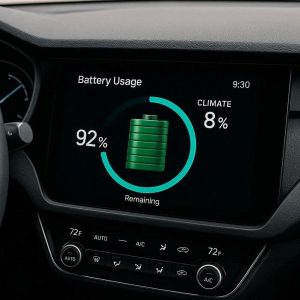 Rear window defogging systems have become a standard feature in modern vehicles, with research from the U.S. Department of Energy noting that visibility technologies play a measurable role in improving driving safety and efficiency. What often goes unnoticed, however, is how these systems intersect with energy use. Heated rear glass, commonly seen as a simple convenience, carries broader environmental implications that deserve closer attention.
 Currently, there are around 15.5 million commercial trucks plying the US roads alone, two million of which include heavy duty towing trucks and tractor trailers. All of them have massive environmental impact in terms of CO2 greenhouse gas (GHG) emissions.
 Yet as ecommerce becomes mainstream and the demand for trucking services has increased, cleaner emissions are not enough to bring down the levels of pollution by half in 2030; nor to eventually achieve zero net effect by the year 2050.
 Improvements to cut down fuel usage presented direct cost savings, whilst reducing GHG and CO2 emissions. Players in the trucking industry welcomed the recommendation since reduced costs simply means less overhead expenses that reduce their gross profits.

 When it comes to roadside assistance, hiring the service of a dependable towing company, such as Towing Service San Jose, is imperative for you to get fast and quality service. Furthermore, you are certain that they will handle your car with utmost care throughout the process of transporting your car to the nearest mechanic in the area.
 Making Your Car More Eco-Friendly
 Keeping homes and workplaces clean has always been important, but today many people are looking beyond cleanliness alone. They also want cleaning methods that protect the environment, reduce waste, and create healthier indoor spaces. This growing awareness has led many businesses and homeowners to choose eco friendly cleaning Dubai services that prioritize both hygiene and sustainability.
 Energy use in American homes continues to rise each year, and the push for greener systems is getting stronger. Homeowners want comfort without high utility bills, and companies across Maryland are responding with smarter heating, cooling, and plumbing solutions. Frederick and nearby communities are also seeing more interest in climate friendly home upgrades. This is where trusted local services come in, including reliable heating repairs, system upgrades, and long term maintenance.
 Every year, millions of tons of textile waste end up in landfills, much of it coming from synthetic activewear that takes hundreds of years to decompose. Yoga wear, known for its stretch and comfort, is no exception. While yoga promotes mindfulness and balance, the clothes many practitioners wear often tell a different story, one tied to pollution, microplastics, and unsustainable production. The good news is that a new movement is emerging: eco-friendly yoga fashion designed to align our values with our wardrobe.
 Every day, millions search for answers to pressing environmental questions. Climate change, sustainable practices, and eco-innovation dominate discussions, but finding reliable information can feel like searching for a needle in a haystack. The internet is flooded with data, yet much of it is outdated, biased, or simply inaccurate. For environmentalists, researchers, and students, this creates a frustrating barrier. How do you separate fact from fiction? Curated directories offer a solution, streamlining the quest for trustworthy green knowledge.
 As energy efficiency becomes more important, the construction industry continues to look for better building materials. One of the standout innovations in recent years is vacuum insulating glass (VIG), the most efficient glass. This advanced type of glass is designed to reduce heat transfer, helping buildings stay cooler in summer and warmer in winter. It looks like regular glass, but it works much harder behind the scenes. By saving energy, it also helps reduce carbon emissions and supports a more sustainable way of living.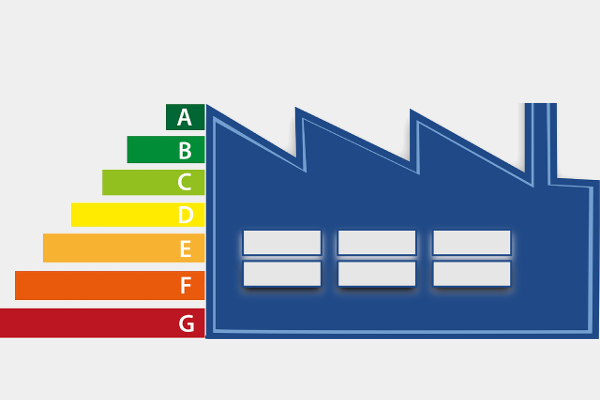

 Every year, millions of furniture pieces end up in landfills. Sofas, chairs, and ottomans are discarded, often prematurely, contributing to environmental strain. But what if we could keep furniture in use longer? Upholstery cleaning offers a practical solution. By maintaining and refreshing furniture, it extends usability, reduces waste, and aligns with eco-friendly living. This approach not only saves money but also supports a healthier planet.

 A travel trailer cover is an essential investment for any avid traveler seeking to protect their vehicle from the elements. However, just purchasing a high-quality cover is not enough; regular maintenance is crucial in ensuring that it lasts for years to come. By taking the time to care for your cover, you can prevent wear and tear from inclement weather, dirt, and UV rays, extending its lifespan and safeguarding your investment.
 Water resistance is another critical characteristic of an effective travel trailer cover. Waterproof travel trailer covers for rain is a must! A cover that can repel water ensures that rain and snow won’t seep through, potentially causing mold, mildew, or other forms of deterioration in your trailer’s structure. It’s also beneficial to look for covers with a waterproof backing, as this additional layer reinforces the cover’s ability to seal out moisture while allowing any trapped condensation within to escape, thus preventing rust and corrosion.


 However, levels of business travel stress vary from person to person as some may have had past experiences that lessen their tolerance for new and unexpected challenges; oftentimes leading to fears of unexpected events. Actually, even if seasoned business travellers are no longer apprehensive over possible negative outcomes, their body still develops tenseness that can affect their physical and mental conditions when attending critical business meetings.


 Infrastructure environment monitoring therefore is all about keeping round-the-clock visuals and tracking the ambience of remote infrastructure sites. The purpose of which is to immediately address or prevent any backend issues that could affect the availability and performance of IT functions and services.
 The monitors also maintain external dry connections to water, smoke and vibration detectors or sensors. Such devices provide visibility to the ambient status of the environment.
 First off, the 24/7 home monitoring system is connected to a remote monitoring station manned by a team of security professionals. This team will access the home monitoring system, only with the permission of the home or business owners

 The internet has a significant impact on the environment, and web design agency Wellington has a responsibility to create websites that are sustainable and eco-friendly. Here are some tips and best practices for creating environmentally friendly websites that are user-friendly and accessible.
 Today, social media is a potent force for advancing causes and making a difference. It has the potential to create real, meaningful change. Instagram has become a powerful tool for individuals and organizations to


