
 Rear window defogging systems have become a standard feature in modern vehicles, with research from the U.S. Department of Energy noting that visibility technologies play a measurable role in improving driving safety and efficiency. What often goes unnoticed, however, is how these systems intersect with energy use. Heated rear glass, commonly seen as a simple convenience, carries broader environmental implications that deserve closer attention.
Many drivers rely on heated rear glass systems to quickly clear frost, fog, or condensation without waiting for the cabin to warm up. This function reduces the need to run the vehicle’s heating, ventilation, and air conditioning system at full power. As experts from the Society of Automotive Engineers (SAE) explain, targeted heating solutions can lower overall energy demand compared to full-cabin climate control, especially during short trips.
Reducing Dependence on HVAC Systems
Vehicle HVAC systems are among the largest consumers of energy in a car, particularly in internal combustion engine vehicles. Data from the U.S. Environmental Protection Agency (EPA) indicates that air conditioning alone can reduce fuel economy by up to 25 percent in certain conditions. While heating systems in gasoline-powered vehicles use engine waste heat, they still require fans and controls that draw power.
Rear window defrosters offer a more focused approach. By directing heat only where it is needed, they reduce the need to warm the entire cabin just to clear visibility. This is especially useful during mild weather conditions, where full HVAC use might otherwise be excessive. The result is a small but meaningful reduction in fuel consumption over time.
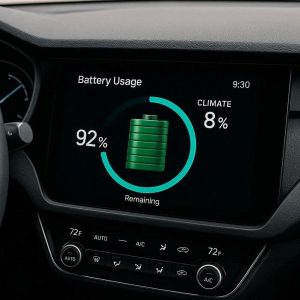
Electric vehicles add another layer to this discussion. Since they do not generate excess engine heat, cabin heating relies entirely on battery power. Studies from the International Energy Agency (IEA) show that heating can significantly reduce an EV’s driving range in cold climates. In this context, rear glass heating systems become even more valuable, allowing drivers to maintain visibility without draining the battery as quickly.
Energy Consumption Trade-offs
Despite their benefits, heated rear windows are not without energy costs. These systems use electrical resistance wires embedded in the glass, which draw power directly from the vehicle’s electrical system. While the energy demand is relatively low compared to HVAC systems, it is not negligible.
Automotive engineers point out that prolonged use of rear defoggers can increase electrical load, which in turn requires more energy generation. In gasoline vehicles, this means the alternator works harder, slightly increasing fuel consumption. In electric vehicles, the draw comes directly from the battery, contributing to reduced range.
However, context matters. The energy used by a rear window defroster is typically short-lived. Most systems are designed to operate for limited periods, often shutting off automatically after clearing the glass. Compared to running a full heating system for an extended time, the overall energy footprint remains relatively small.
Environmental Implications
Transportation remains a major contributor to global greenhouse gas emissions, accounting for nearly a quarter of energy-related CO2 emissions worldwide, as reported by the Intergovernmental Panel on Climate Change (IPCC). Even minor improvements in vehicle efficiency can contribute to broader sustainability goals when scaled across millions of vehicles.
Heated rear window systems support this effort indirectly. By reducing reliance on energy-intensive climate control systems, they help lower fuel use and emissions in traditional vehicles. In electric vehicles, they support more efficient battery use, which can extend driving range and reduce the frequency of charging.
At the same time, the manufacturing and materials involved in producing defrosting glass should not be overlooked. Embedded heating elements require additional resources and energy during production. Environmental analysts from the European Environment Agency (EEA) emphasize that lifecycle assessments are essential when evaluating the true sustainability of automotive technologies.
Balancing Comfort, Safety, and Efficiency
Visibility is not just a matter of comfort. It is a critical safety factor. The National Highway Traffic Safety Administration (NHTSA) highlights that poor visibility contributes to a significant number of accidents each year. Quick and reliable defogging systems reduce this risk, offering drivers a clear view without delay.
This creates an important balance. On one hand, energy efficiency is a growing priority. On the other, safety cannot be compromised. Heated rear window technology sits at the intersection of these concerns, offering a solution that supports both objectives.
Drivers, however, play a role in maximizing these benefits. Using defrosters only when necessary, and turning them off once the glass is clear, helps minimize unnecessary energy use. These small habits align with broader eco-friendly car maintenance practices, which experts highlight as key to reducing emissions and improving vehicle performance. In fact, research shows that maintaining a vehicle properly can lower fuel consumption and reduce carbon output over time, as highlighted by the Geostat Course. Small behavioral choices can amplify the efficiency gains provided by the technology.
A Forward-Looking Perspective
Automotive innovation continues to refine how energy is used within vehicles. Advances in smart climate control systems and energy-efficient materials are already shaping the next generation of cars. Engineers are exploring ways to integrate smarter sensors that activate rear window heating only when needed, further reducing energy waste.
There is also growing interest in alternative solutions, such as hydrophobic coatings and improved airflow designs, which can reduce the need for electrical heating altogether. These developments suggest that rear defogging systems will continue to evolve alongside broader sustainability goals.
Still, the current role of defrosting glass systems remains relevant. They offer a practical, immediate way to improve efficiency without requiring major changes in driver behavior or infrastructure. This makes them an important part of the broader conversation about greener transportation.
Conclusion
Energy efficiency in vehicles is shaped by both large innovations and small design choices. Rear window heating technology may seem like a minor feature, yet it reflects a thoughtful approach to balancing comfort, safety, and energy use. By reducing dependence on full climate control systems, it contributes to lower fuel consumption and improved battery efficiency in electric models.
At the same time, its energy demands and production impact remind us that no solution is entirely without cost. The challenge lies in using such technologies wisely and continuing to improve them. As the automotive industry moves toward more sustainable practices, features like rear defrosters and thermal glass systems will remain part of the conversation, quietly supporting efficiency in everyday driving.
Ultimately, progress in transportation will depend on a combination of smarter technology, responsible use, and ongoing innovation. Heated window systems, in their own understated way, demonstrate how even small features can play a meaningful role in shaping a more energy-conscious future.